
Eating well in Marrakech is not hard, but the best food is rarely in the places with the biggest signs. It is in stalls that make one thing, in bakeries that share ovens with the neighborhood, and in the clay urns that come out of a bathhouse furnace in the afternoon. This guide covers what to eat, what kind of place serves it, and what a guided food walk actually does.
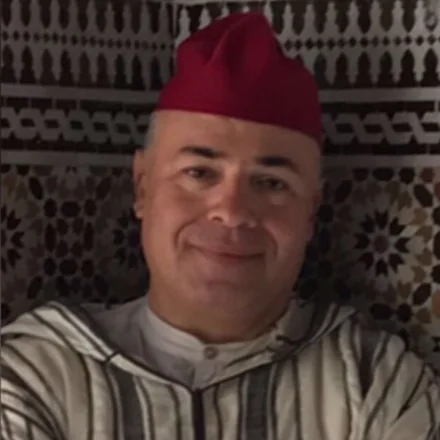
Ben’s food tour, Taste of the Medina, runs about four hours for one to six guests and includes sheep’s head, snails, Moroccan pastry, and a presentation in a famous spice shop. That combination tells you something about how Marrakech eats: adventurous at one end, extremely sweet at the other, with a lot of spice in between.
The dishes worth knowing
Tagine. The conical earthenware pot and the stew cooked in it. Lamb with prunes and almonds, chicken with preserved lemon and olives, kefta with egg, or vegetable. Cooked slowly, so a good one takes real time.
Tanjia. The Marrakech dish. Meat, preserved lemon, garlic, cumin and saffron sealed in a tall clay urn and buried in the ashes of a hammam furnace, where it cooks for hours while the bathhouse heats. It was historically a bachelor’s and workman’s dish, prepared in the morning, collected at the end of the day. Falls off the bone.
Couscous. Traditionally eaten on Friday after midday prayers, steamed several times over a broth of vegetables and meat. Many places serve it daily now, but Friday is when it is at its best in family kitchens.
Harira. The tomato, lentil and chickpea soup, thickened and finished with herbs. Eaten year round and especially to break the fast during Ramadan, usually with dates and chebakia.
Bissara. A thick dried fava bean soup with olive oil and cumin, sold from small counters in the morning. Workers’ breakfast, and very good.
Mechoui. Whole lamb slow roasted in underground pit ovens, sold by weight, carved and served with cumin and salt. There is a narrow alley near Jemaa el-Fnaa known for it.
Msemen and beghrir. Msemen is a folded, layered griddle bread, flaky and chewy, eaten with honey and butter or with cheese. Beghrir is the spongy semolina pancake covered in small holes that soak up honey.
Pastries. Kaab el ghzal, the almond filled crescent sometimes translated as gazelle horns. Chebakia, the sesame and honey flower fried and soaked, most associated with Ramadan. Briouat, small filled triangles that come both savory and sweet.
Mint tea. Green tea, fresh spearmint, and a lot of sugar, poured from a height to aerate it. You will be offered it constantly, in shops and in homes, and refusing is not rude but accepting is warmer.
The adventurous end
Marrakech does not hide its offal, and the square is where you meet it.
Snails, babbouche, are simmered in a broth of thyme, aniseed, liquorice root and other herbs, served in a small bowl with a pin to pick them out. You drink the broth afterward, and locals will tell you it is good for the digestion.
Sheep’s head, bouzellouf, is steamed and served in pieces with cumin and salt. The cheek and tongue are what people go for. It is a normal food here, not a dare.
Both of these are on Ben’s food tour, and both are easier with someone next to you who can say what you are looking at and which stall is the one to use.
Where each kind of food lives
- Jemaa el-Fnaa after sunset. Numbered food stalls assembled every evening: grills, soup, snails, sheep’s head, fried fish. Prices should be visible, and it is reasonable to ask before ordering. Our Jemaa el-Fnaa guide covers the etiquette of the square.
- Morning stalls in the souks. Bissara, msemen, doughnuts, hard boiled eggs with cumin. Gone by mid morning.
- Hole in the wall grills. A counter, a charcoal grill, kefta and merguez, bread and a salad. Usually the best value meal you will have.
- Tanjia specialists and mechoui alley. Near the square, generally operating in the afternoon until they sell out.
- Riad dinners. Many riads will cook for you with a day’s notice, and this is often the best tagine of a trip.
- Restaurants in Gueliz. The modern city, where Moroccan chefs cook for Moroccan customers, plus a real international scene.
- The spice shops. Ras el hanout, cumin, saffron, preserved lemons, dried rose, argan oil. Worth the visit for the explanation as much as the purchase.
How a guided food walk works
A food walk in the medina is not a restaurant meal. It is a sequence of small stops on foot, usually five or six of them, spread over a few hours, with tastings at each. You do not sit down for long. You should arrive hungry and plan on not needing dinner afterward.
The value of a guide here is specific. Stalls vary day to day, and a local knows which one has the good tanjia this week, which snail seller has the freshest broth, and how to order in Darija. A guide also lets you try the things you would never order alone, which is usually where the memorable part of the day comes from.
Tell us in advance about allergies, or if you do not eat meat, or if there are things you would rather not try. That is a normal request, not a problem.
How Ben can help
The Taste of the Medina food tour runs about four hours, takes one to six guests, and includes the sheep’s head, the snails, Moroccan pastry, and the spice shop presentation. It is a walking tour, so wear comfortable shoes.
If you would rather combine food with the sites, the Personalized Marrakech Tour covers the medina across a full day and can be planned around eating. Want to take the spices, the tagine dishes or a tea set home? That is what personal shopping is for. Message us with your dates and any dietary notes.
FAQ
Is street food in Marrakech safe to eat?
For most visitors, yes, if you use the same judgment you would anywhere: busy stalls with high turnover, food cooked to order in front of you, and hot food served hot. Be more careful with anything that has been sitting out. Drink bottled or filtered water rather than tap water. Our Morocco travel tips cover water and a few other basics.
What is the difference between tagine and tanjia?
A tagine is a stew cooked in a conical earthenware dish, usually on a low heat, and it is eaten all over Morocco. Tanjia is specific to Marrakech: meat and spices sealed in a tall clay urn and cooked very slowly in the embers of a bathhouse furnace. Tagine is vegetables and meat together, tanjia is essentially just meat, preserved lemon, garlic and spice.
Can vegetarians eat well in Marrakech?
Yes, with some care. Vegetable tagine, zaalouk, taktouka, bissara, lentils, msemen, olives, bread and salads are all naturally meat free, and vegetable couscous is common. Ask whether a dish is made with meat stock, since that is the usual hidden issue.
Do you tip in Moroccan restaurants?
Tipping is customary and appreciated, and small amounts are normal rather than a percentage of the bill in casual places. Sit down restaurants in the city may add a service charge. Carry small notes and coins, since that is what is useful.