The four things that trip up most first time visitors to Morocco are money, dress, photographs of people, and Friday. Get those right and nearly everything else is straightforward. Morocco is a welcoming country, courtesy goes a very long way here, and most awkward moments come from not knowing a convention rather than from anyone being difficult.
These are the things Ben finds himself explaining in the first hour of a tour, collected in one place.
Money and cash
The currency is the Moroccan dirham, usually written MAD or DH. It is a closed currency, meaning it is not widely available outside Morocco and there are legal limits on carrying it in and out, so plan to get your cash here rather than at home.
Practical points:
- ATMs are plentiful, including at the airport. Machines attached to real bank branches are the ones to use.
- Exchange bureaus handle euros, dollars and pounds. Compare a couple, and count what you receive.
- Cash is the default. Souks, taxis, small cafes, tips, parking attendants and public toilets are all cash.
- Break your notes. Small notes and coins are what you actually need.
- Keep your cash in two places rather than all in one pocket.
Cards work in hotels, larger restaurants, supermarkets and established craft and rug dealers. Do not rely on them elsewhere.
What to wear, and how to greet people
What to wear
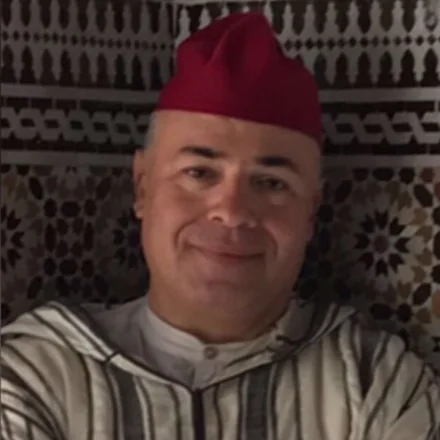
Morocco is a Muslim country with a relaxed attitude toward visitors, and in Marrakech you will see everything from full traditional dress to shorts and vests. There is no dress code imposed on tourists.
What we would suggest, mostly for comfort rather than rules: shoulders and knees covered, loose fabric, and closed comfortable shoes. The medina lanes are uneven, and sandals with no grip are a poor choice. A scarf is useful against sun and dust, and handy if you visit a religious site where covering is appreciated.
Dressing a little more conservatively attracts noticeably less attention in the street, which matters most to women traveling alone. Swimwear is for the pool and the beach.
In winter, bring a jacket. The nights are colder than people expect. See the best time to visit Marrakech for what each season is like.
Greetings and language
Moroccan Arabic, known as Darija, is the everyday spoken language, Amazigh languages are widely spoken and official, and French is common in business and signage. English is widespread in tourism.
A handful of words changes how you are treated:
- Salam alaikum, hello, answered with wa alaikum salam.
- Shukran, thank you.
- La, shukran, no thank you. The most useful phrase you will learn.
- Bslama, goodbye.
- Inshallah, God willing, used constantly and casually.
Greetings matter. Walking into a shop and asking a question without saying hello first reads as abrupt. Say hello, ask how someone is, then ask your question. Handshakes are normal, often followed by touching the hand to the heart, and some people prefer not to shake hands with the opposite sex, so let the other person offer first.
Tipping and photographs
Tipping
Tipping is customary in Morocco, and it is woven into daily life more than in many countries. Small amounts, given often, is the pattern: cafes, restaurants, porters carrying bags to your riad, parking attendants, hammam staff, drivers and guides.
Amounts vary with the service and the setting, and it is not a fixed percentage the way it is in the United States. Rather than quote numbers that go out of date: carry coins and small notes, give what feels right, and expect to tip anyone who has helped you carry, park or find something. If you are unsure, ask Ben during the day.
Photographs of people
This is the one worth taking seriously. Many Moroccans do not want to be photographed by strangers, and in the medina you are photographing people’s homes and workplaces. The rule is simple: ask first. A gesture with the camera and a questioning look is enough, and the answer is often yes and friendly. If it is no, put the camera down.
At Jemaa el-Fnaa, performers, snake handlers and water sellers work for tips, and photographing them is a transaction. Agree what you are giving before you shoot, not after. Our Jemaa el-Fnaa guide explains how the square works.
Do not photograph inside mosques, at military or police installations, or at close range in the tanneries without asking.
Friday, mosques and the rhythm of the week
Friday
Friday is the main day of congregational prayer. Around midday, shops may close for a stretch, the lanes near the mosques fill, and traffic thickens. Many families eat couscous together after prayers, and it is the best day of the week to find good couscous.
Sunday is a normal working day for most of the souks. The medina’s quiet stretch is really the Friday midday hour rather than a whole day off.
If you are visiting during Ramadan, the rhythm shifts completely, and we cover that in the seasons guide.
Mosques, and what you can visit
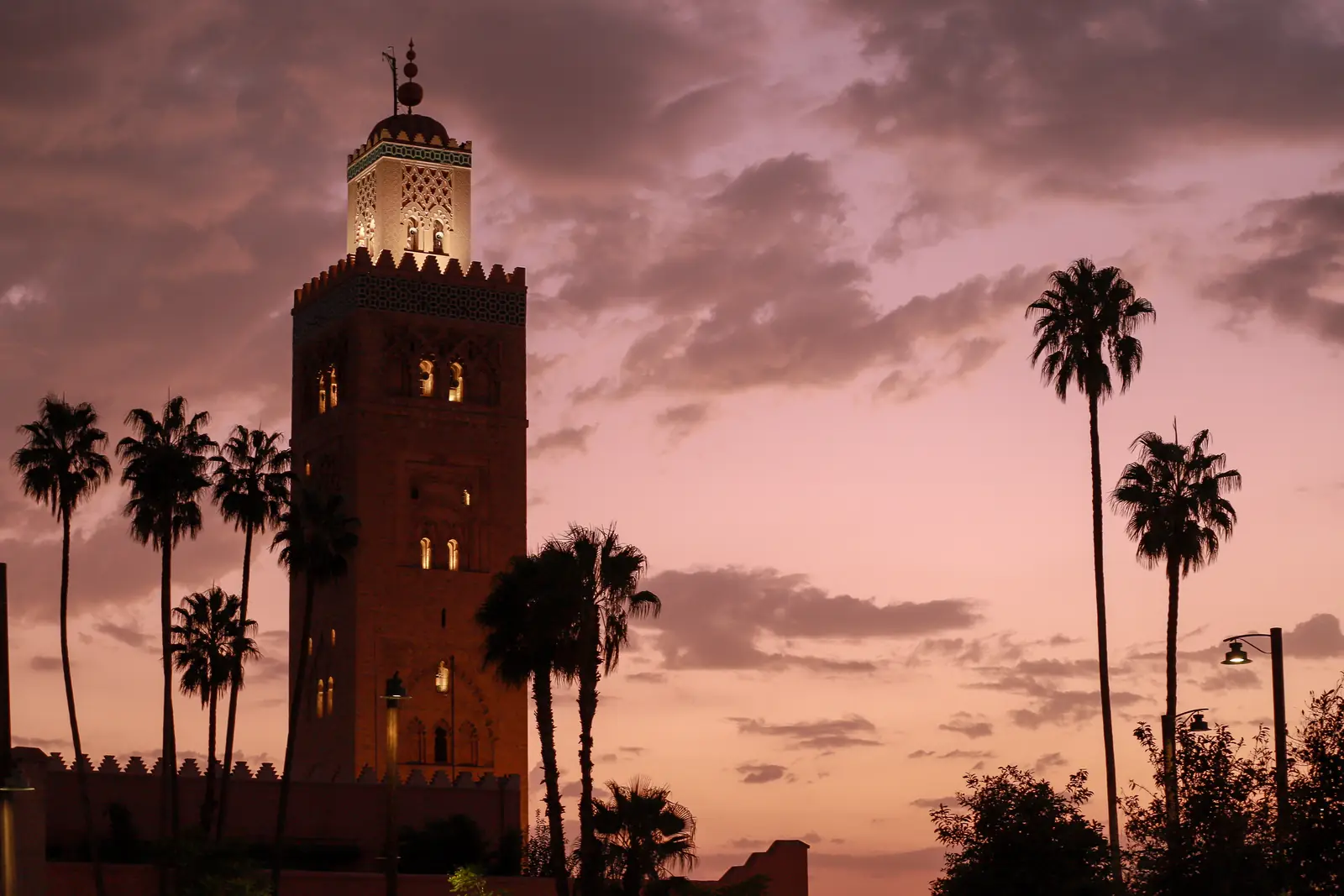
Working mosques in Morocco are generally not open to non-Muslims. The Koutoubia is admired from the gardens outside, not entered. The Hassan II Mosque in Casablanca is the widely known exception and offers guided visits to everyone.
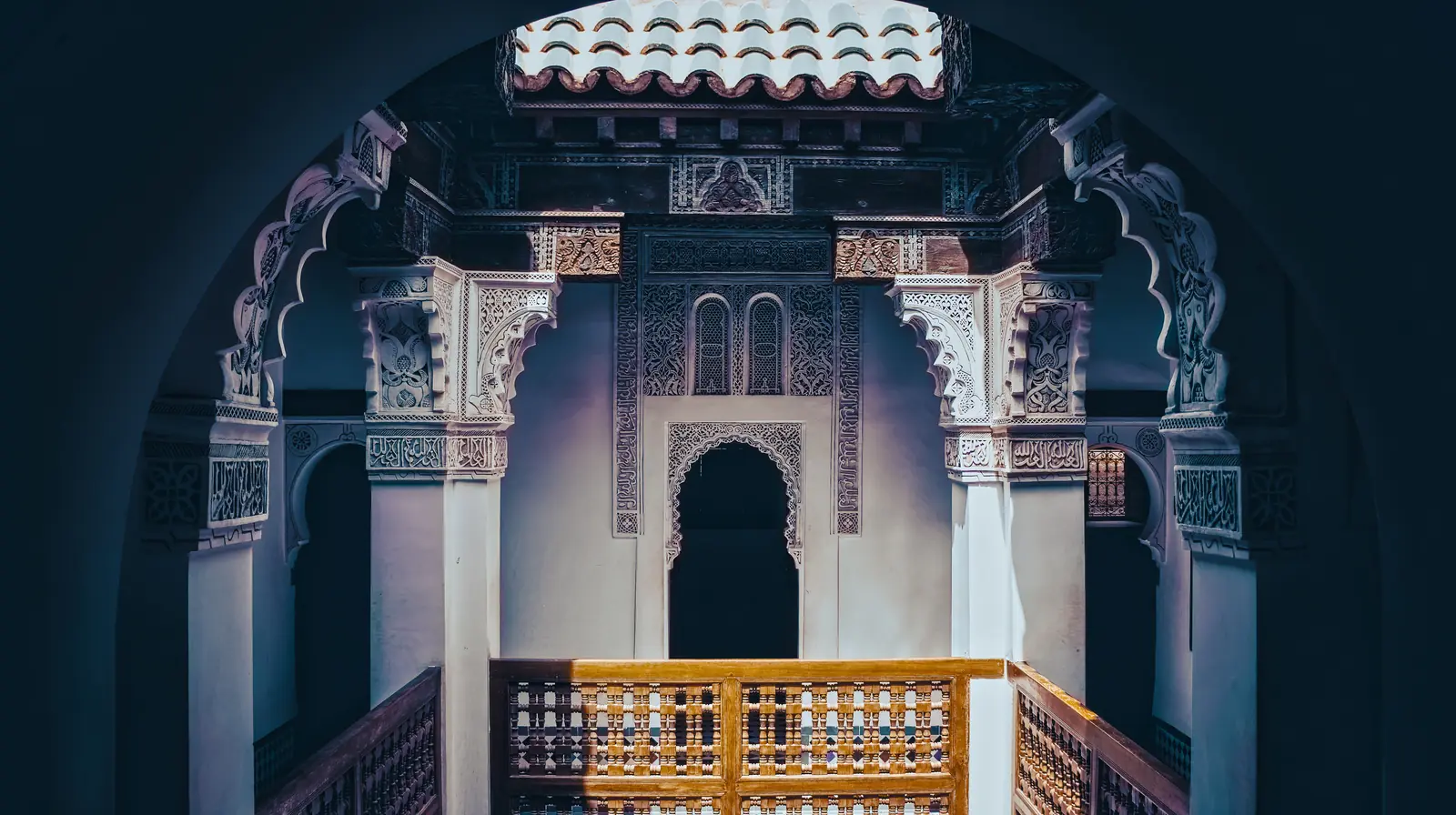
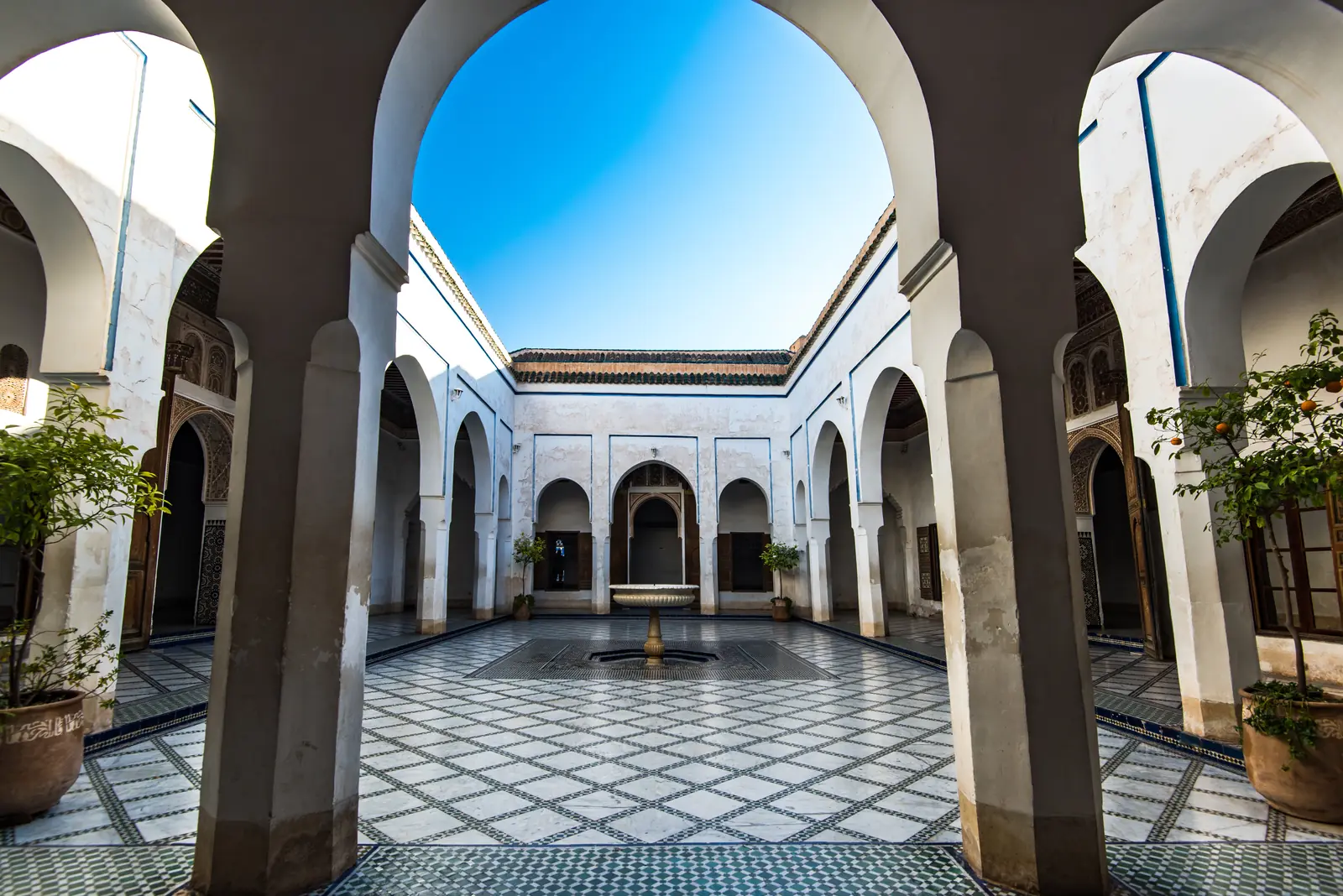
Open to all visitors are the historic sites that are no longer working places of worship: the Medersa Ben Youssef, the Saadian Tombs, Bahia Palace, Dar El Bacha, El Badi Palace and the museums. There is no shortage of the architecture you came for.
A few smaller things
- Drink bottled or filtered water rather than tap water.
- The left hand is traditionally considered unclean. Eat and pass things with the right.
- Alcohol is available in licensed restaurants, hotels and some riads, but far from everywhere.
- Public toilets are limited, usually cost a small coin, and rarely have paper. Carry tissue.
- Morocco keeps clocks on UTC+1 for most of the year and has in recent years shifted back an hour for Ramadan, so double check local time if you are visiting then.
- Bargaining is for the souks, not for supermarkets, pharmacies or restaurants. See our souks guide.
How Ben can help
Most of this becomes automatic after a day with someone who lives here. Ben will tell you when a price is normal and when it is not, what to say and when to say nothing, and how the day should be paced around heat and prayer times.
The Personalized Marrakech Tour is a private walking day through the medina with pickup at your accommodation, and it is the usual way people spend their first full day. If you want transportation, an airport pickup or a multi day plan, look at custom Marrakech tours. Questions before you fly are welcome, so send them over.
FAQ
Can you use credit cards in Morocco?
In hotels, larger restaurants, modern shops and some bigger craft dealers, yes. In the souks, taxis, small cafes, markets and anywhere outside the main cities, assume cash only. Carry dirhams in small notes, because change for large notes is a constant problem.
Can you get Moroccan dirhams before you travel?
Usually not easily. The dirham is a closed currency, which means it is not widely traded outside Morocco and there are limits on taking it in and out. Most visitors withdraw cash from an ATM on arrival or exchange money at a bureau in the city.
What should women wear in Marrakech?
There is no legal dress code for visitors and you will see a wide range on the street. Covering shoulders and knees draws less attention and is more comfortable in the sun, and a light scarf is useful. Swimwear belongs at the pool or the beach, not in the medina.
Can non-Muslims visit mosques in Morocco?
Generally no. Working mosques in Morocco are normally closed to non-Muslims, so you can admire the Koutoubia from outside but not enter. The Hassan II Mosque in Casablanca is the well known exception and runs guided visits. Former religious schools such as the Medersa Ben Youssef in Marrakech are open to everyone.